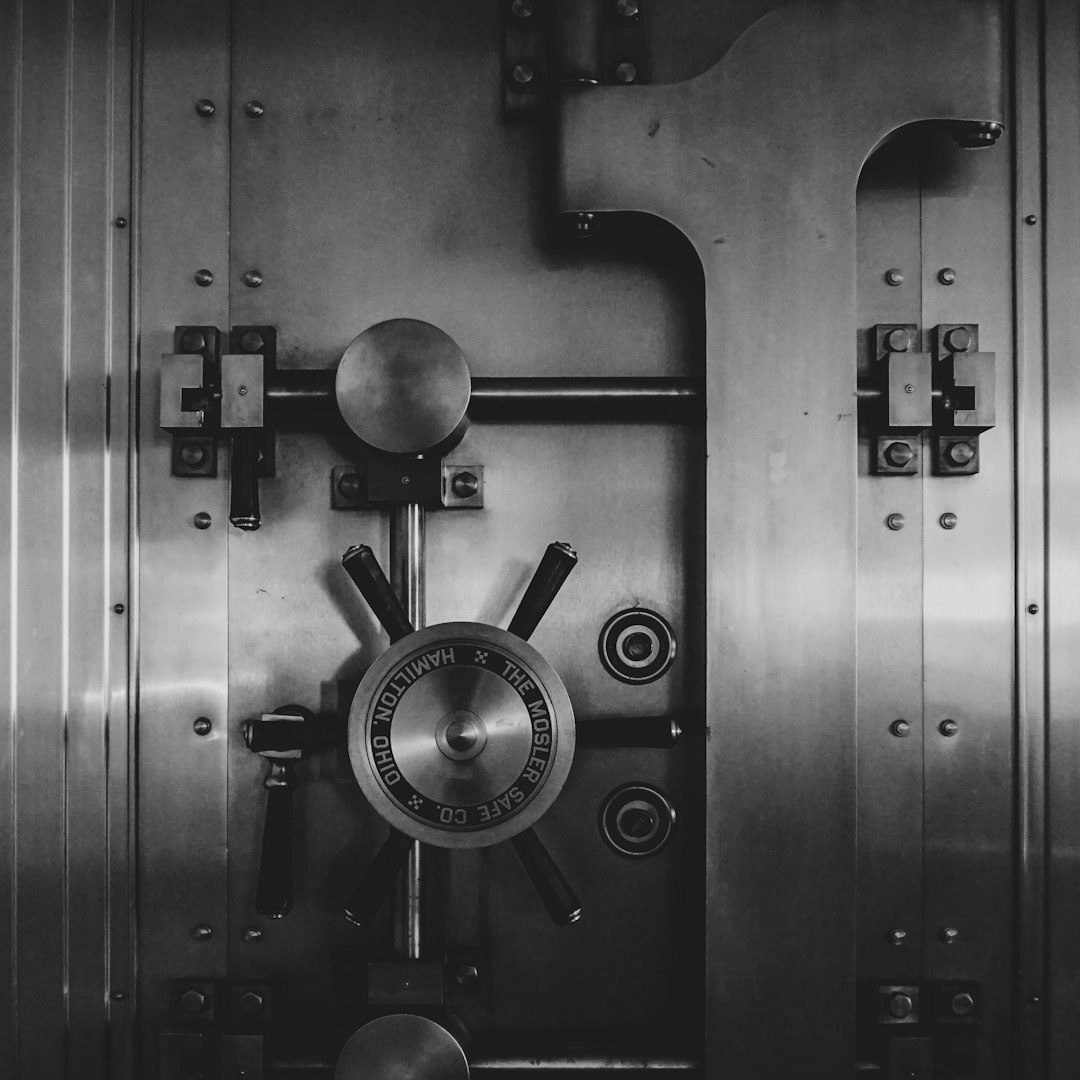
Life is full of unexpected twists and turns. From sudden medical expenses to unexpected car repairs or job loss, financial emergencies can happen to anyone at any time. An emergency fund serves as your financial safety net, providing peace of mind and stability when you need it most. Here's your comprehensive guide to building a robust emergency fund in 2025.
Why You Need an Emergency Fund
An emergency fund is money set aside specifically for unexpected expenses or financial emergencies. It's not for planned expenses like vacations or holiday shopping, but rather for genuine emergencies that could otherwise derail your financial stability.
Without an emergency fund, you might be forced to rely on credit cards or loans to cover unexpected costs, potentially leading to debt that takes years to pay off. Having cash readily available for emergencies helps you avoid high-interest debt and the stress that comes with financial uncertainty.
How Much Should You Save?
Financial experts typically recommend saving three to six months' worth of living expenses in your emergency fund. However, the right amount for you depends on several factors including your income stability, number of dependents, health status, and personal risk tolerance.
If you have a stable job with steady income, three months of expenses might suffice. However, if you're self-employed, work in a volatile industry, or have dependents, you should aim for six months or even more. Calculate your essential monthly expenses including housing, food, utilities, transportation, insurance, and minimum debt payments to determine your target amount.
Start Small and Build Gradually
Building an emergency fund of several thousand dollars can seem overwhelming, especially if you're living paycheck to paycheck. The key is to start small and build gradually. Even saving $25 or $50 per paycheck is progress and creates positive financial momentum.
Set an initial goal of $1,000, which covers many common emergencies like minor car repairs or medical bills. Once you reach this milestone, work toward one month of expenses, then three months, and eventually your full target amount. Breaking your goal into smaller milestones makes the process less daunting and more achievable.
Automate Your Savings
One of the most effective ways to build your emergency fund is to automate the process. Set up automatic transfers from your checking account to a dedicated savings account on each payday. This "pay yourself first" approach ensures consistent savings without requiring willpower or remembering to transfer money manually.
Fifth Third Bank offers convenient automatic transfer features that make saving effortless. You can schedule transfers to coincide with your pay schedule, ensuring money goes into savings before you have a chance to spend it elsewhere.
Find Extra Money to Save
Look for opportunities to accelerate your emergency fund growth by finding extra money in your budget. Review your monthly expenses and identify areas where you can cut back temporarily while building your fund. This might mean eating out less frequently, canceling unused subscriptions, or finding free entertainment alternatives.
Additionally, redirect windfalls like tax refunds, work bonuses, or monetary gifts directly into your emergency fund. These occasional influxes can significantly boost your savings without affecting your regular budget.
Where to Keep Your Emergency Fund
Your emergency fund should be easily accessible but separate from your everyday checking account to reduce the temptation to spend it. A high-yield savings account is ideal because it offers liquidity while earning interest on your balance.
Avoid keeping your emergency fund in investments like stocks or retirement accounts. While these might offer higher returns, they're subject to market volatility and may have penalties or delays for withdrawals. The primary purpose of an emergency fund is accessibility and stability, not maximizing returns.
Resist the Temptation to Spend
Once you've built your emergency fund, it's crucial to use it only for genuine emergencies. Define what constitutes an emergency beforehand to avoid rationalization. True emergencies typically fall into categories like unexpected medical expenses, essential car or home repairs, job loss, or urgent travel for family emergencies.
A sale on a TV you've been eyeing or a spontaneous vacation opportunity doesn't qualify as an emergency. Having clear criteria helps you resist the temptation to dip into your fund for non-emergency expenses.
Replenish After Using It
If you do need to use your emergency fund, make replenishing it a financial priority. Temporarily redirect money from discretionary spending categories back into your emergency fund until it's fully restored. This ensures you're prepared for the next unexpected expense.
Think of your emergency fund as a financial insurance policy that you pay into regularly. Just as you wouldn't cancel your insurance after filing a claim, you shouldn't abandon your emergency fund after using it.
Increase Your Fund as Life Changes
Your emergency fund needs will change as your life circumstances evolve. Major life events like getting married, having children, buying a home, or changing careers may require increasing your emergency fund target.
Review your emergency fund annually and adjust your target amount if your expenses have increased or your financial situation has become more complex. What was adequate when you were single and renting might not be sufficient once you have a family and mortgage.
Maximize Your Savings with Fifth Third Bank
At Fifth Third Bank, we offer savings accounts specifically designed to help you build and maintain your emergency fund. Our high-yield savings accounts provide competitive interest rates, helping your money grow while remaining accessible when you need it.
Take advantage of our online banking tools to track your progress, set savings goals, and automate transfers. Our mobile app makes it easy to monitor your emergency fund balance and make deposits from anywhere.
Conclusion
Building an emergency fund is one of the most important steps you can take toward financial security. While it requires discipline and patience, the peace of mind that comes with knowing you're prepared for life's uncertainties is invaluable.
Start today, no matter how small your initial contribution might be. Every dollar you save brings you closer to financial stability and independence. Remember, the goal isn't perfection but progress. With consistent effort and the right banking partner, you'll build a robust emergency fund that protects you and your family from financial setbacks.
If you need help opening a savings account or setting up automatic transfers, contact Fifth Third Bank today. Our team is here to support your financial goals and help you build a secure financial future.