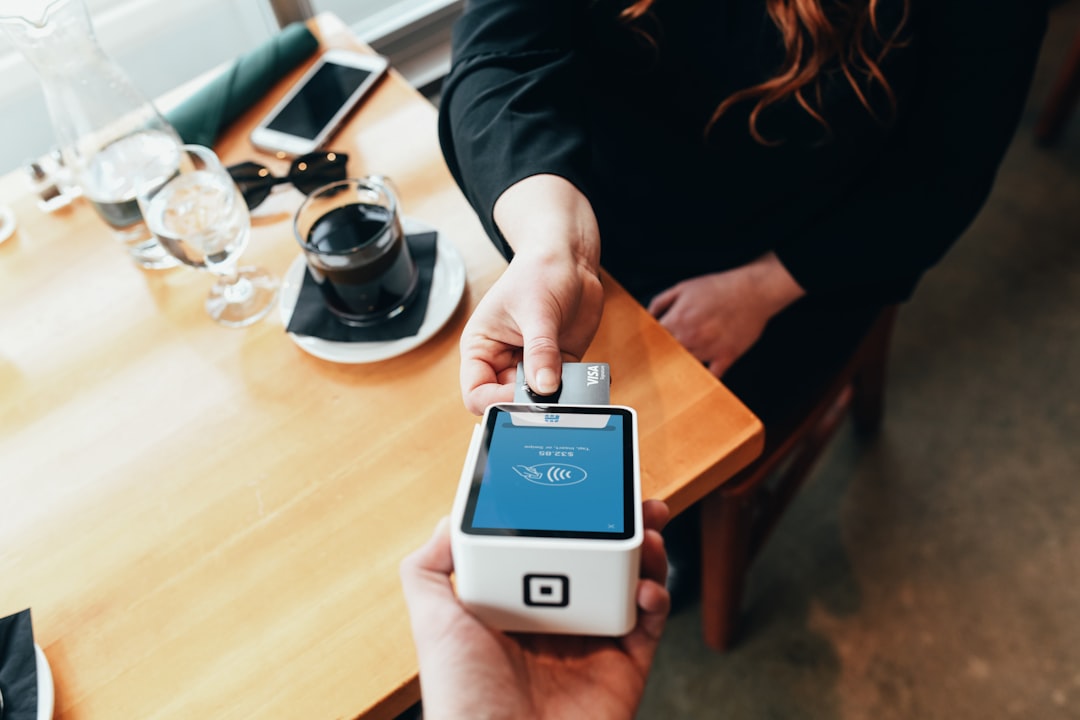
In today's digital age, online banking offers unparalleled convenience. However, with this convenience comes the responsibility to protect your financial information from cyber threats. At Fifth Third Bank, your security is our top priority. Here are 10 essential tips to help you bank safely online.
1. Create Strong, Unique Passwords
Your password is the first line of defense against unauthorized access to your accounts. Create passwords that are at least 12 characters long and include a mix of uppercase and lowercase letters, numbers, and special characters. Avoid using easily guessable information like birthdays or common words. Most importantly, never reuse passwords across different accounts.
Consider using a password manager to generate and store complex passwords securely. This eliminates the need to remember multiple passwords while ensuring each account has a unique, strong password.
2. Enable Multi-Factor Authentication
Multi-factor authentication adds an extra layer of security by requiring two or more verification methods to access your account. Even if someone obtains your password, they won't be able to access your account without the second factor, typically a code sent to your phone or generated by an authenticator app.
Fifth Third Bank offers robust multi-factor authentication options. We strongly recommend enabling this feature for all your banking accounts to significantly reduce the risk of unauthorized access.
3. Keep Your Devices Secure
Ensure all devices you use for online banking are protected with up-to-date antivirus software and firewalls. Regularly update your operating system and applications to patch security vulnerabilities. Set your devices to automatically install security updates whenever possible.
Use device passwords, biometric locks, or PINs to prevent unauthorized physical access. If your device is lost or stolen, these measures buy you valuable time to secure your accounts.
4. Recognize and Avoid Phishing Scams
Phishing is one of the most common methods cybercriminals use to steal banking credentials. Be extremely cautious of emails, text messages, or phone calls claiming to be from your bank, especially those requesting personal information or urging immediate action.
Fifth Third Bank will never ask you to provide your password, PIN, or full account number via email or text message. If you receive a suspicious communication, don't click any links or download attachments. Instead, contact us directly using the phone number on our official website or your bank card.
5. Use Secure Internet Connections
Avoid accessing your bank accounts over public Wi-Fi networks, such as those in coffee shops, airports, or hotels. These networks are often unsecured, making it easy for hackers to intercept your data. If you must use public Wi-Fi, connect through a Virtual Private Network to encrypt your internet traffic.
When banking from home, ensure your Wi-Fi network is password-protected with WPA2 or WPA3 encryption. Change your router's default administrator password to something strong and unique.
6. Monitor Your Accounts Regularly
Make it a habit to review your account statements and transaction history frequently. Early detection of unauthorized activity is crucial for minimizing potential damage. Set up account alerts to receive notifications for transactions, low balances, and other important account activities.
If you notice any suspicious transactions, report them to Fifth Third Bank immediately. The sooner you report fraudulent activity, the better your chances of recovering lost funds and preventing further unauthorized access.
7. Log Out Completely After Each Session
Always log out of your online banking session when you're finished, especially when using shared or public computers. Simply closing the browser window isn't enough, as some session data may remain accessible. Look for the "Log Out" or "Sign Out" button and click it to properly end your session.
Additionally, clear your browser's cache, cookies, and history after banking on a shared device to remove any traces of your activity.
8. Be Cautious with Mobile Banking Apps
Download banking apps only from official sources like the Apple App Store or Google Play Store. Verify the developer's identity before installing. Avoid jailbreaking or rooting your mobile device, as this can compromise built-in security features.
Keep your banking app updated to ensure you have the latest security patches. Consider using biometric authentication methods like fingerprint or facial recognition for added convenience and security.
9. Protect Your Personal Information
Be mindful of what personal information you share online, especially on social media. Cybercriminals can use details like your birthday, address, or mother's maiden name to answer security questions and gain access to your accounts.
When creating security questions for your accounts, choose questions with answers that aren't easily discoverable through online research. Consider using nonsensical but memorable answers for added security.
10. Stay Informed About Security Threats
Cyber threats are constantly evolving, so it's important to stay informed about the latest security risks and best practices. Follow Fifth Third Bank's security updates and read our blog regularly for tips on protecting your financial information.
Educate yourself about common scams and fraud tactics. Knowledge is power when it comes to cybersecurity, and being aware of potential threats makes you less likely to fall victim to them.
Conclusion
Online banking security is a shared responsibility between you and your financial institution. By following these 10 essential tips, you can significantly reduce your risk of falling victim to cybercrime and enjoy the convenience of online banking with peace of mind.
At Fifth Third Bank, we're committed to providing you with secure, reliable online banking services. Our advanced security measures work around the clock to protect your accounts, but your vigilance and adherence to best practices are equally important.
If you have questions about online banking security or need assistance with your account, don't hesitate to contact us. Our dedicated team is here to help you bank safely and confidently.